
In the field of engineering materials, chromium-molybdenum steels (such as 4130 and 4140) have become key materials in industries such as aerospace, petrochemicals, and heavy machinery due to their excellent strength, toughness, and machinability. However, in high-temperature environments, 4140 steel often performs better than 4130 steel. What is the reason behind this difference? This article will conduct an in-depth analysis from the perspectives of composition, heat treatment process, microstructure, and application.
How Does Chemical Composition Affect High-temperature Resistance?
| Grade | C | Si | Mn | Cr | Mo |
| 4130 | 0.28-0.33 | 0.15-0.35 | 0.4-0.6 | 0.8-1.1 | 0.15-0.25 |
| 4140 | 0.38-0.43 | 0.15-0.35 | 0.75-1.0 | 0.8-1.1 | 0.15-0.25 |
The table shows that the alloying elements chromium and molybdenum are the same for 4130 and 4140 steel.
- Chromium (Cr): Improves high-temperature oxidation resistance and corrosion resistance.
- Molybdenum (Mo): Significantly improves high-temperature strength and creep resistance.
This indicates that the alloying elements in 4130 and 4140 steel have the same effect on high-temperature resistance.
Why is 4140 steel more heat-resistant than 4130 steel?
The Key Secret: Carbon is the Answer!Carbon is the core element for forming carbides in steel. The higher carbon content of 4140 steel enables it to generate more fine carbides (such as Fe3C, Cr7C3) after heat treatment. These carbides can pin grain boundaries at high temperatures, inhibit grain coarsening, and thus delay material softening.
How Does Heat Treatment Affect High Temperature Performance?
- 4130 steel:
Usually oil quenching + high temperature tempering (550-650℃) is used, with a hardness of HRC 25-30, focusing on balancing strength and toughness. - 4140 steel:
Can withstand high temperature tempering (550-650℃), hardness HRC 28-32, while maintaining excellent high temperature strength.
After quenching and tempering, the difference in carbon content between 4130 and 4140 steel leads to the following:
4140 steel forms harder martensite: During quenching, 4140, due to its higher carbon content, forms more and harder martensite. Subsequently, during high-temperature tempering, this carbon precipitates, forming fine carbide particles.
The strengthening effect of carbides: These fine carbides (such as cementite) act like tiny nails, anchoring at grain boundaries and preventing metal atoms from moving at high temperatures. The more carbides and the more stable they are, the stronger the material’s resistance to creep at high temperatures.
Creep resistance (300MPa stress, 600℃)
- 4130 steel: fractured after 1000 hours.
- 4140 steel: no fracture after 2000 hours, creep rate reduced by 60%.
High temperature tensile strength (600℃)
| Material | Tensile strength (MPa) | Yield strength (MPa) | Elongation (%) |
| 4130 | 520 | 380 | 18 |
| 4140 | 680 | 520 | 15 |
4140 steel can still maintain ≥80% of room temperature strength after tempering at 600℃, while the strength of 4130 steel drops to about 70%.The reason is that the higher carbon content of 4140 promotes a more stable tempered martensite structure and a more uniform distribution of carbides.
At High Temperature:When to Use 4140 Steel? When to Use 4130 Steel?
- 4140 steel is preferred:
– Operating temperature > 300°C and long-term service (such as petrochemical reactors, turbine parts).
– Environments with high cycle fatigue loads and high temperatures. - More economical to choose 4130 steel:
– Medium and low load structural parts with temperatures < 200°C (such as frames, drive shafts).
– Scenarios that require frequent welding or cold forming (due to the low carbon content of 4130, the weldability is better).
The advantage of 4140 steel in high-temperature environments comes from its higher carbon content and optimized heat treatment response, while 4130 steel is more competitive in cost-sensitive or low-temperature scenarios. Engineers need to make precise choices between the two based on the temperature, load and cost budget of specific working conditions. With the advancement of materials science, the high-temperature performance boundaries of chromium-molybdenum steel are still expanding.
Related 4140 & 4130 Products Supplied By FUHONG
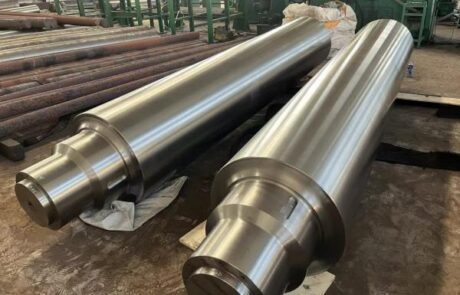
AISI 4130+QT 75K For Wellhead Device & Christmas Tree Equipment
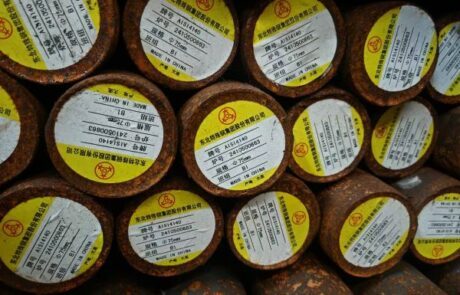
3000+ tons Inventory For 4140 Hot Rolled Round Steel Bar
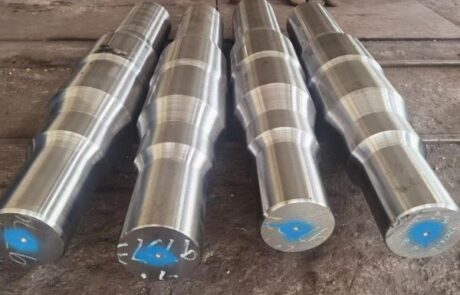
SAE 4130 Steel Bar | AISI 4130 Alloy Steel-ASTM A29
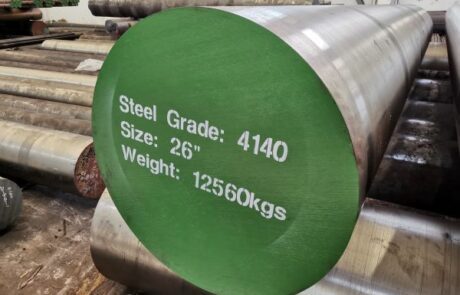
SAE 4140 Steel Bar | AISI 4140 Alloy Steel-ASTM A29
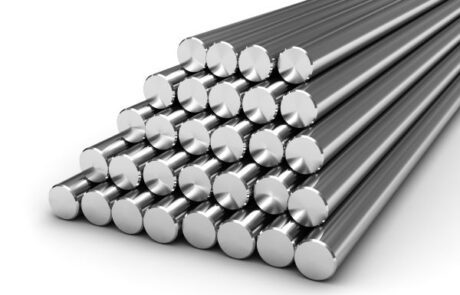
One-Stop Solution For 4140 Steel Bright Bar
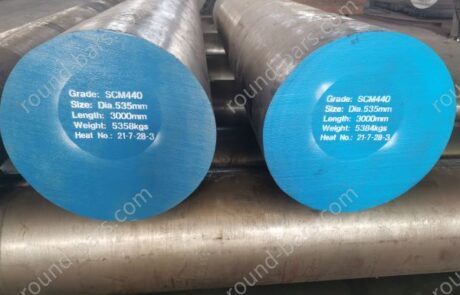
SCM440 | SCM430 Alloy Steel-JIS G4105

EN 42CrMo4 Steel |42CrMoS4| DIN1.7225

AISI 4130 Steel Bar | ASTM 4130 Alloy Steel