
In the fields of machinery manufacturing, energy equipment, and heavy industry, 25CrMo4 and 42CrMo4, as chromium-molybdenum alloy steels, have become the preferred materials for key structural components due to their excellent strength, toughness, and high-temperature resistance.
So, which one better meets industrial needs? This article compares the chemical composition, mechanical properties, and applications of 25CrMo4 and 42CrMo4 to explore their competitiveness in industry.
Basic Chemical Composition:25CrMo4 Steel vs 42CrMo4 steel
| Grade | C | Si | Mn | P | S | Cr | Mo |
| 25CrMo4 | 0.22-0.29 | ≤0.4 | 0.6-0.9 | ≤0.025 | ≤0.035 | 0.9-1.2 | 0.15-0.3 |
| 42CrMo4 | 0.38-0.45 | ≤0.4 | 0.6-0.9 | ≤0.025 | ≤0.035 | 0.9-1.2 | 0.15-0.3 |
The key difference between 25CrMo4 and 42CrMo4 is their carbon content.
25CrMo4 has a carbon content ranging from 0.22% to 0.29%, offering a balanced strength and toughness with excellent weldability. 42CrMo4, with a carbon content of 0.38% to 0.45%, exhibits significantly improved strength, hardness, and hardenability due to its higher carbon content, but its toughness and weldability decrease accordingly.
Core Mechanical Property:25CrMo4 Steel vs 42CrMo4 steel
| Index | 25CrMo4 | 42CrMo4 |
| Tensile strength (MPa) | ≥885 | ≥980 |
| Yield strength (MPa) | ≥685 | ≥830 |
| Elongation (%) | ≥12 | ≥12 |
| Reduction of area (%) | ≥50 | ≥45 |
| Impact energy (J, 20℃) | ≥70 | ≥54 |
Conclusion: 42CrMo4 has higher strength and is suitable for components subjected to heavy loads and high stress. 25CrMo4 has moderate strength but better toughness and plasticity, making it more suitable for components requiring good weldability and fatigue resistance.
25CrMo4 or 42CrMo4-Who is More Suitable For Existing Needs?
The Main Battlefield of 25CrMo4 Steel
25CrMo4 steel is suitable for applications requiring moderate loads, dynamic fatigue strength, and good machinability due to its excellent comprehensive properties, good weldability, and toughness.
- Key transmission components: such as drive shafts, crankshafts, and connecting rods in new energy vehicles, which bear alternating loads and require lightweight design.
- Pressure vessels and pipelines: suitable for high-pressure pipes and fasteners used in non-corrosive environments or containing nitrogen-hydrogen mixtures, operating at temperatures below 250°C.
- General engineering structural components: various mechanical structural components requiring high strength.
- Wind turbine bolts and connectors: due to their excellent low-temperature impact toughness (impact energy still >30J at -40°C), suitable for extreme climatic environments.
- Carburized parts: can be used to manufacture carburized gears, shafts, etc., requiring both surface hardness and core toughness.
Traditional Advantages of 42CrMo4 Steel
42CrMo4, with its higher strength and hardness, is suitable for core components that bear extremely heavy loads and require high wear resistance or high-temperature strength.
- Heavy Machinery: Forgings such as large gears, rear axles, and crankshafts that bear extremely high loads.
- Aerospace: Ultra-high strength components such as landing gear that need to withstand extreme impact loads.
- Petroleum Industry: Drill pipe joints and fishing tools used in oil wells below 2000 meters.
- Mold Manufacturing: Large, high-requirement plastic molds.
- High-Temperature Fasteners: Superior creep resistance compared to 25CrMo4 in environments below 300°C.
How to Choose Between 25CrMo4 and 42CrMo4?
The core difference between 25CrMo4 and 42CrMo4 lies in their carbon content, which determines their performance characteristics and applications. 25CrMo4 excels in weldability, toughness, and plasticity, while 42CrMo4 is known for its high strength, high hardness, and excellent hardenability. The choice of material depends on the specific industrial application requirements.
- Choosing 25CrMo4: If your design requires high toughness and weldability, the workpiece needs to withstand dynamic or alternating loads, and there are certain requirements for lightweighting, it achieves a good balance between overall performance and processability.
- Choosing 42CrMo4: If your primary goal is to achieve the highest strength, hardness, and wear resistance for critical components that withstand extremely high static loads, and you also need to accept its processing challenges in welding and machining.
Related 42CrMo4 & 25CrMo4 Steel By FUHONG
AISI 4130+QT 75K For Wellhead Device & Christmas Tree Equipment
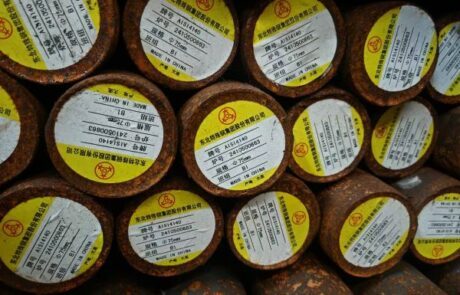
3000+ tons Inventory For 4140 Hot Rolled Round Steel Bar
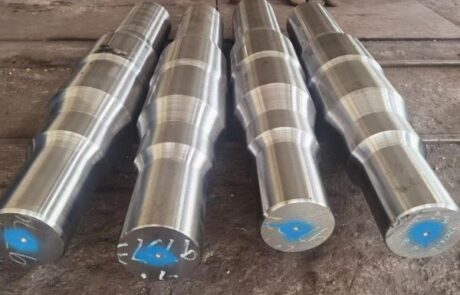
SAE 4130 Steel Bar | AISI 4130 Alloy Steel-ASTM A29
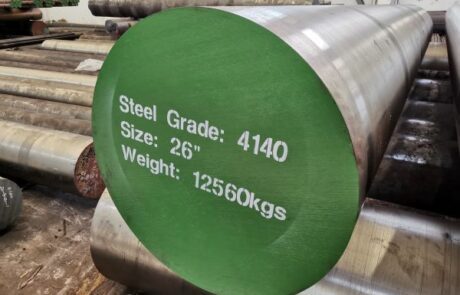
SAE 4140 Steel Bar | AISI 4140 Alloy Steel-ASTM A29

EN 25CrMo4 Steel | 25CrMoS4 | DIN 1.7218
One-Stop Solution For 4140 Steel Bright Bar
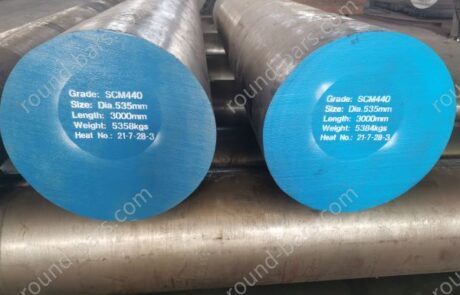
SCM440 | SCM430 Alloy Steel-JIS G4105

EN 42CrMo4 Steel |42CrMoS4| DIN1.7225

AISI 4130 Steel Bar | ASTM 4130 Alloy Steel