What is Rolling Ratio?
The rolling ratio (also called compression ratio or deformation ratio) of rolled round steel is an important parameter to measure the degree of plastic deformation of metal during rolling. Its definition and typical range are as follows:
The rolling ratio generally refers to the ratio of the cross-sectional area of a metal material before and after rolling. The formula is:
Rolling ratio = original billet cross-sectional area / finished product cross-sectional area after rolling
Or take round steel as an example:Rolling ratio = square of billet diameter / square of round steel diameter
Common Steel Category:Typical Rolling Ratio Range
The selection of rolling ratio depends on the material type, performance requirements and process conditions:
- Carbon steel: 3:1 ~ 8:1
– For example: rolling a 150mm square billet into a φ50mm round steel, the rolling ratio is ≈9:1. - Alloy steel/high-strength steel: 6:1 ~ 15:1
– High rolling ratio can refine the grains, improve the density and mechanical properties of the material (such as gear steel, bearing steel). - Special purpose steel (such as aviation/military industry): ≥10:1
– Eliminate casting defects through large deformation and improve fatigue strength.
Practical Application Reference
- Construction rebar (HRB400): rolling ratio is usually 5:1 ~ 8:1.
- Bearing steel (52100): rolling ratio should be ≥10:1 to ensure uniform distribution of carbides.
- Large diameter round steel (φ>200mm): adopt multi-fire rolling, the total rolling ratio can reach more than 20:1.
What Factors Affecting Rolling Ratio?
| Factor | Description |
| Material properties | Materials with poor plasticity (such as high carbon steel) require a lower rolling ratio to avoid cracking. |
| Process type | Hot rolling usually allows a higher rolling ratio (metal has good plasticity at high temperature), while cold rolling is lower (to avoid work hardening). |
| Product performance requirements | High strength and toughness requirements require a higher rolling ratio to refine the grains. |
| Equipment capacity | Mill power and roll strength limit the maximum rolling ratio. |
What is the Rolling Ratio During the Rolling Process?
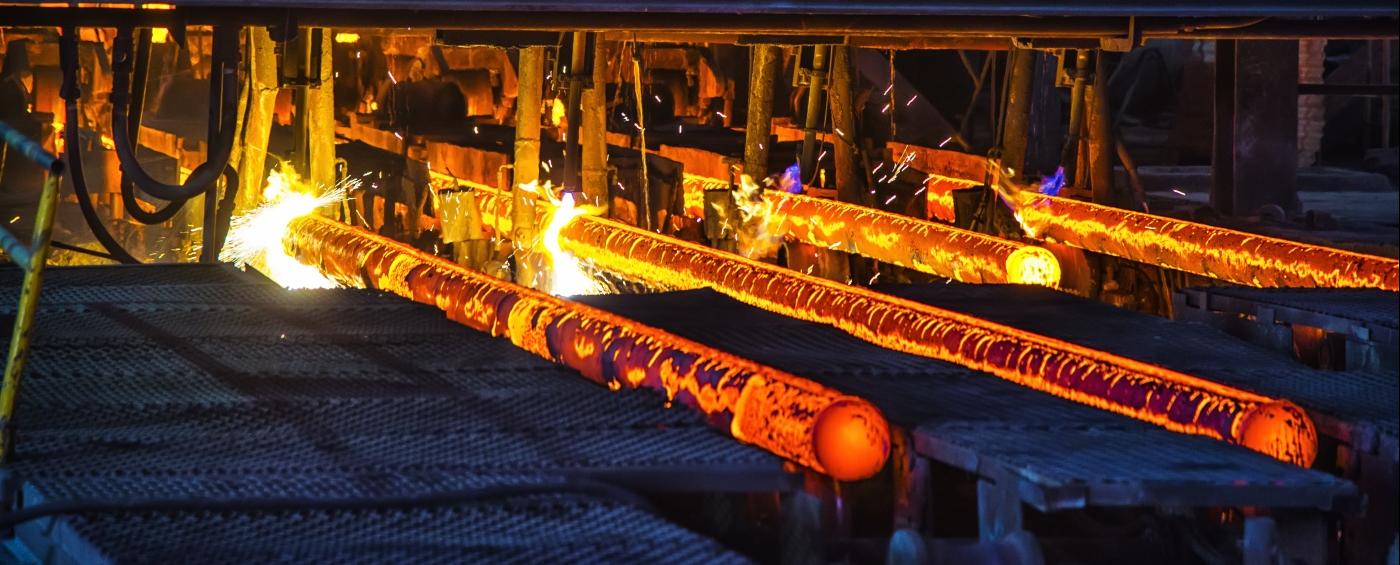
In actual production, the rolling process is divided into rough rolling, intermediate rolling, and finishing rolling. The examples of rolling ratio allocation in each stage are as follows:
- Rough rolling: single-pass rolling ratio 2:1 ~ 4:1 (rapid diameter reduction, initial shaping).
- Finishing rolling: single-pass rolling ratio 1.1:1 ~ 1.5:1 (precise control of size and surface quality).
- Total rolling ratio: multiply the rolling ratios of each pass.For example, the rolling ratios of 5 passes are all 2:1, and the total rolling ratio is 32:1.
Is A Higher Rolling Ratio Always Better?
Not always. The key principle is to maximize the rolling ratio to optimize product performance while ensuring material plasticity and equipment capacity.
If the rolling ratio is too low, the material may have coarse grains, loose internal structure, or shrinkage cavities, resulting in poor mechanical properties.
If the rolling ratio is too high, the excessive rolling force may damage the equipment. The material is prone to cracking, especially during low-temperature rolling.
The generally recommended rolling ratio is 3:1 to 15:1, but specific adjustments should be made based on the material, process, and target performance.A reasonable rolling ratio still needs to be verified through metallographic analysis (grain size) and mechanical property testing (strength, toughness).