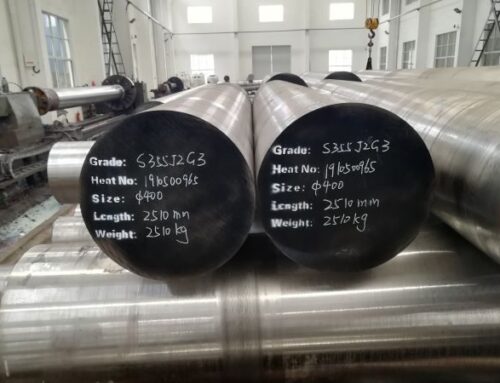
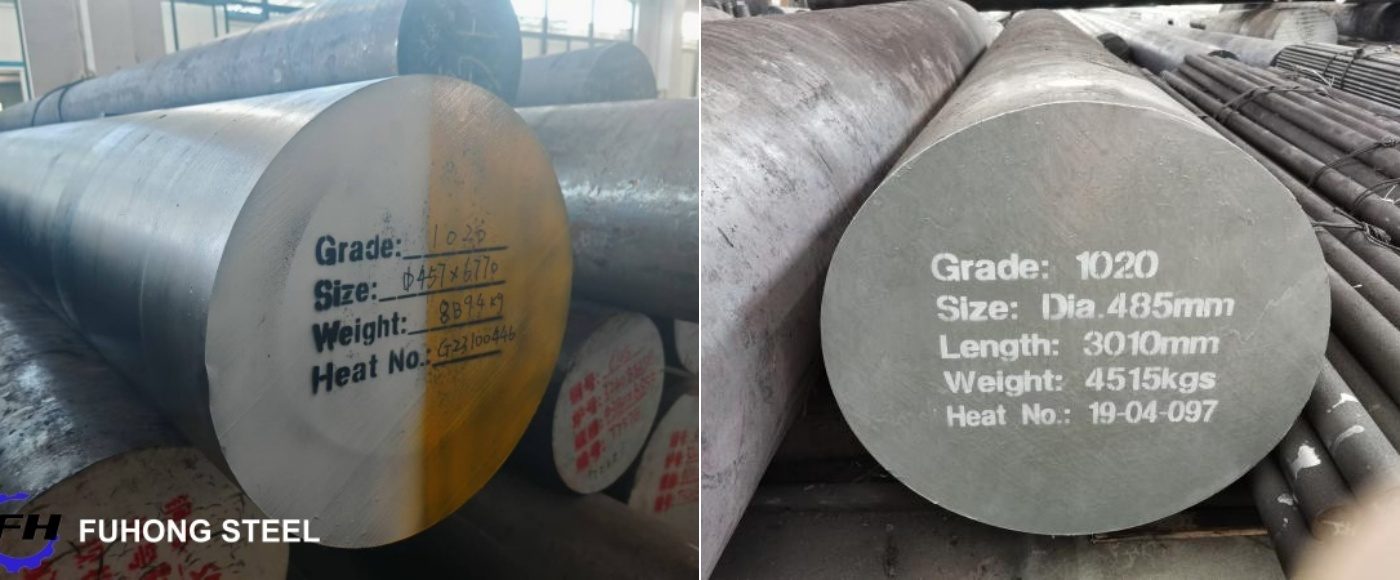
Chemical composition, mechanical properties, heat treatment, welding guidelines, and real-world applications — everything you need to specify 1020 carbon steel with confidence.
What Is AISI 1020 Steel?
AISI 1020 is a widely used low-carbon (mild) steel designated by both the AISI and SAE standards (UNS G10200). With a carbon content of 0.18–0.23%, it sits at the lower end of the plain carbon steel range, offering an optimal balance of ductility, machinability, and cost-effectiveness for general engineering applications.
Chemical Composition
| Grade | C | Si | Mn | P | S |
| 1020 | 0.18-0.23 | 0.15-0.35 | 0.30-0.60 | ≤0.04 | ≤0.05 |
International Equivalent Grades
1020 is produced under multiple standard designations worldwide:
| Germany | UK | China | Japan |
| C22/1.0402 | EN3/070M20 | 20# | S20C |
Why Choose 1020? Six Core Advantages
1020 Steel Heat Treatment Basics
Essential processing parameters and practical guidelines for working with 1020 carbon steel in production environments.
1020 is NOT suitable for through-hardening (quench and temper) applications. Its low carbon content and lack of alloying elements result in very low hardenability. Use it in the as-supplied, normalized, or carburized condition only.
1020 Steel Mechanical Properties-Annealed Condition
| Tensile Strength (UTS) | Yield Strength (0.2% offset) | Elongation (in 50 mm) | Reduction in Area | Brinell Hardness |
| 395 MPa | 295 MPa | 36.5% | 66% | 123 BHN |
1020 Steel Machining & Welding
1020 Steel Industry Applications & Product Forms
AISI 1020 steel is used across a wide range of industries for components where good formability, weldability, and moderate strength are required.
Available Product Forms For 1020 Steel
Hot Forged Round bar:Φ80-Φ1500mm
Hot Rolled Round bar:Φ14-Φ350mm
Hot Forged Square bar: Max Thickness:500mm
Flat bar/Blcoks:Thickness :120-800mm ,Width:120-1500mm
| Surface Finish | Black-Forged | Black-Rolled | Rough Turned | Cold Drawn | Peeled | Polished | Grinded |
| Tolerance | 0/+5mm | 0/+1mm | 0/+3mm | Best H11 | Best H9 | Best H9 | Best h8 |
1020 vs 1018 vs 1045: How to Choose?
Compare 1020 against other popular carbon steel grades to find the right material for your application.
| Feature | 1018 | 1020 | 1045 |
| Carbon Content | 0.15–0.20% | 0.18–0.23% | 0.43–0.50% |
| Steel Type | Low Carbon | Low Carbon | Medium Carbon |
| Tensile Strength | 390 MPa | 395 MPa | 565 MPa |
| Yield Strength | 290 MPa | 295 MPa | 310 MPa |
| Weldability | Excellent | Excellent | Fair (preheat needed) |
| Machinability | 70% | 72% | 60% |
| Through-Hardening | No | No | Yes |
| Carburizing | Yes | Yes | No |
| Relative Cost | Low | Low | Medium |
| Best For | General sheet metal, forming | General engineering, shafts, case hardening | Gears, axles, bolts, medium strength |
Quick Selection Guide
Choose 1020 when:You need excellent weldability, good formability, and cost-effective general-purpose mechanical parts. Ideal for case-hardened components.
Upgrade to 1045 when:You need higher strength and hardness through quench-and-temper, and welding is minimal or not required.
Frequently Asked Questions
Quick answers to the most common questions about AISI 1020 carbon steel. Can’t find what you’re looking for? Contact our technical team.
Ready to Source 1020 Steel for Your Project?
√ ISO 9001 Certified √ MTR Included √ Global Shipping √ Custom Cutting √ Technical Support