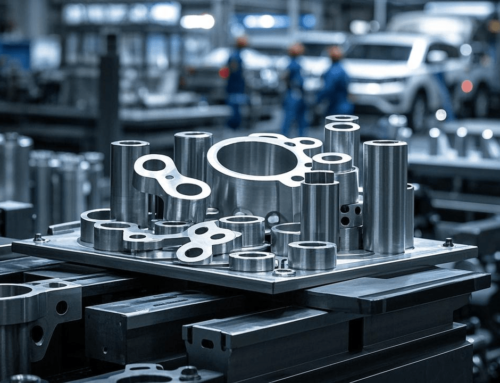

Operating in high-pressure, corrosive environments, oil and gas equipment imposes specific requirements regarding material strength, toughness, and resistance to stress corrosion.
Following quenching and tempering, 4130 chromium-molybdenum alloy steel exhibits excellent hardenability, comprehensive mechanical properties, and good weldability, making it a widely used medium-alloy structural steel in oil and gas equipment.
Today, let’s take a deeper look at the specific applications and performance of 4130 steel in the oil and gas industry!
4130 steel:Three Key Performance in the Oil & Gas Industry
Performance One: Balance of Strength and Toughness
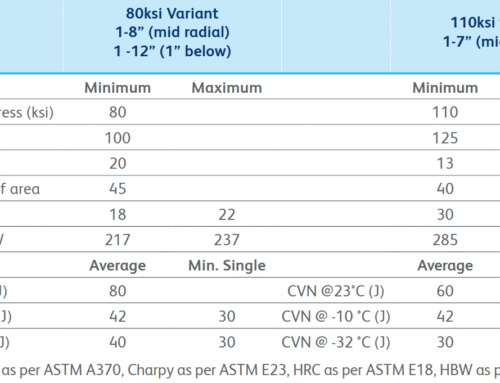
After quenching and tempering, 4130 steel achieves a yield strength of 415–690 MPa (60–100 ksi). Compared to higher-carbon steels like 4140 and 4145H, the lower-carbon 4130 steel offers superior impact toughness, enabling it to withstand downhole shocks and vibrations.
| AISI 4130 75K Mechanical Property | |||||
| Tensile Strength Mpa | Yield Strength Mpa | Elongation % | Impact Charpy-V, -18ºC,J | Hardness HBW | |
| 75K | ≥ 655 | ≥ 517 | ≥ 17 | ≥ 42 | 197-235 |
Performance Two: Corrosion resistance
Corrosion in the oil and gas industry is primarily characterized by H₂S stress corrosion and CO₂ corrosion. 4130 steel exhibits different behaviors in these two corrosive environments.
By strictly controlling sulfur and phosphorus impurity levels and ensuring hardness is strictly regulated (typically ≤HRC 22) in compliance with the NACE MR0175 standard, 4130 steel exhibits good resistance to sulfide stress corrosion.
However, the CO₂ corrosion resistance of 4130 steel is moderate, inferior to that of low-alloy steels with higher nickel content. In environments with high CO₂ partial pressures, the corrosion rate of 4130 steel increases significantly.
Performance Three: Weldability
Compared to 4140 and 4340 alloy steels, 4130 steel exhibits significantly better weldability.In most cases, on-site fabrication and repair welding for 4130 steel do not require preheating,offering process flexibility.
However, 4130 steel still exhibits a tendency toward hardening during welding. For thick-walled components or welding in low-temperature environments, preheating to 200–300°C is required, followed immediately by post-weld heat treatment for dehydrogenation or stress relief.
4130 steel: Two Typical Application in the Oil & Gas Industry
Application One:High-Pressure Manifolds and Choke & Kill Lines
As a critical material for high-pressure manifold skids and choke-and-kill lines, 4130 steel offers a yield strength of 75–95 ksi, enabling high-pressure fluid transport at operating pressures ranging from 10,000 to 15,000 psi.
Furthermore, the excellent fatigue resistance of 4130 steel allows manifold skids to maintain long-term serviceability under conditions of high vibration and high flow rates.
Most importantly, the excellent weldability of 4130 steel facilitates on-site pipeline connections.However, post-weld heat treatment (PWHT) is mandatory for such thick-walled components to prevent cracking.
Application Two:Wellhead Assembly and Christmas Tree
As a standard material for wellhead bodies and flanges, 4130 steel forgings offer uniform properties, withstand high downhole pressures, and resist CO₂ corrosion, meeting the 4130 75 ksi requirement of API 6A specifications.
In H₂S-free wells, 4130 steel performs reliably provided the CO₂ partial pressure remains below critical levels. However, if H₂S is present, the hardness of the 4130 steel body must be controlled to ≤HRC 22 in accordance with NACE MR0175.
Due to its high strength, toughness, and good processing characteristics, 4130 steel is widely used in the oil and gas industry. However, the performance capabilities of 4130 steel are not limitless,in specific corrosive environments, rigorous assessment is required to ensure safety and durability.
Interactive topic: How does 4130 steel perform in your industry? Let’s talk about it together.
MORE ABOUT 4130 STEEL PRODUCT
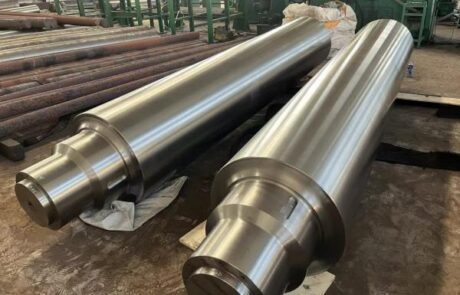
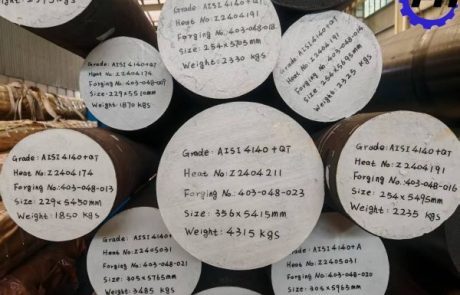
AISI 4130+QT 75K For Wellhead Device & Christmas Tree Equipment
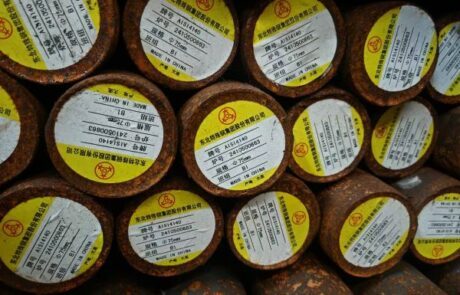
3000+ tons Inventory For 4140 Hot Rolled Round Steel Bar
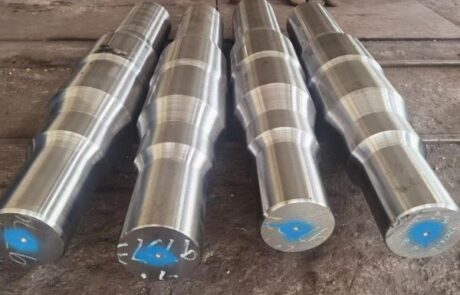
SAE 4130 Steel Bar | AISI 4130 Alloy Steel-ASTM A29
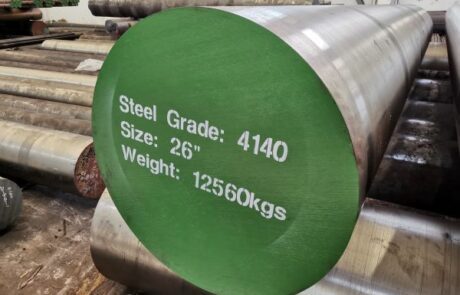
SAE 4140 Steel Bar | AISI 4140 Alloy Steel-ASTM A29
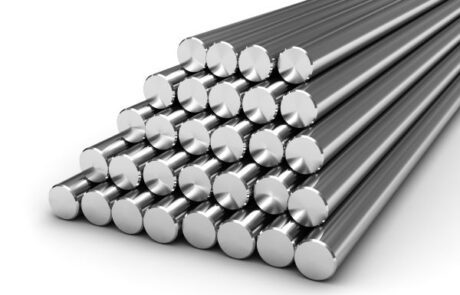
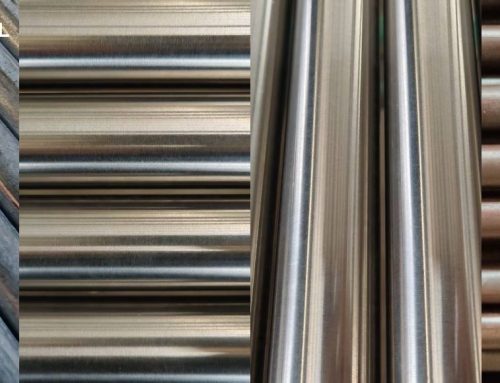
One-Stop Solution For 4140 Steel Bright Bar

AISI 4130 Steel Bar | ASTM 4130 Alloy Steel