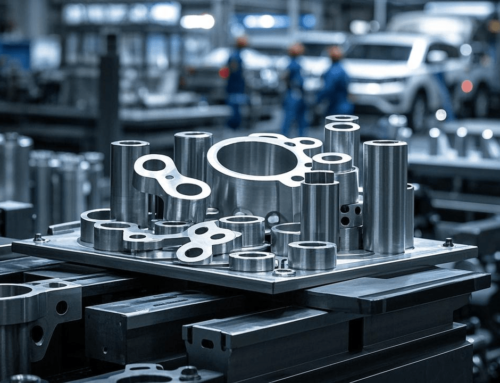

In oil drilling operations, materials must withstand multiple harsh challenges, including high temperature and pressure, corrosive media, and alternating mechanical stress.
As low-alloy chromium-molybdenum steels, 4130, 4140 and 4340, with their unique alloy ratios, high strength, high toughness, and excellent corrosion resistance, have become the preferred choice for oil drilling giants.
So why are they suitable for the complex demands of drilling operations? Let’s find out.
Six Reasons For Choosing 4130, 4140 and 4340 Steel
Reason One:High strength and toughness
These are the most basic requirements for oil drilling materials. The materials must possess extremely high tensile strength and yield strength to withstand the complex stresses during drilling.
Additionally, the materials need good impact toughness to prevent sudden brittle fracture under impact loads.
As medium-carbon low-alloy steels, 4130, 4140, and 4340 can all achieve different balances of strength and toughness through quenching and tempering.
| 4130 steel | 4140 steel | 4340 steel | |
| Tensile Strength,Mpa | 655-860 | 850-1000 | 980-1180 |
| Yield Strength,Mpa | 550-700 | 690-860 | 830-1000 |
| Impact Charpy-V,J | ≥27J | ≥54J | ≥54J |
| Hardness,HRC | 18-22 | 22-32 | 28-34 |
Reason Two:Corrosion resistance
Downhole environments contain corrosive media such as hydrogen sulfide (H₂S) and carbon dioxide (CO₂), therefore corrosion resistance is crucial for ensuring the safe operation of materials.
H₂S stress corrosion cracking (SSC) is the most significant threat to high-sulfur oil and gas wells. The higher the material’s hardness, the more sensitive it is to hydrogen embrittlement. Therefore, in H₂S-containing acidic oil and gas wells, 4130, 4140, and 4340 steels must be quenched and tempered to control their hardness below 22 HRC, following NACE MR0175 / ISO 15156 standards to prevent sulfide stress cracking (SSC).
Reason Three:High temperature resistance
As drilling depth increases, downhole temperatures rise dramatically (reaching up to 200°C in deep wells). Therefore, in such high-temperature environments, materials must maintain good thermal stability without significantly reducing their hardness and strength.
The molybdenum element in 4130, 4140, and 4340 steels can improve the material’s creep resistance at high temperatures, ensuring its performance stability.
Reason Four:Fatigue resistance
Drilling equipment is subjected to cyclic stress during rotation and vibration, so the materials must have excellent fatigue resistance to prevent fatigue fracture.
The high fatigue limit of 4130, 4140, and 4340 steels can extend the service life of components and reduce equipment maintenance costs.
Reason Five:Processing flexibility
4130, 4140, and 4340 steels can be formed through conventional forging and machining, making them suitable for manufacturing complex parts in drilling equipment (such as valve bodies and pump shafts).
Furthermore, their heat treatment is flexible, allowing for adjustments to properties through quenching and tempering.
Reason Six:Cost
Compared with stainless steel or nickel-based alloys, 4130,4140 and 4340 steel are cheaper, but their performance are sufficient in non-extreme corrosive environments.
Typical Application For Oil Drilling
When drilling equipment components require welding and need moderate strength and toughness, 4130 steel is the preferred choice. Typical applications include drilling platform structural components, welded wellheads, and pipelines.
4140 steel, with significantly higher strength, hardness, and wear resistance than 4130, is the main steel grade used in drilling equipment. Typical applications include high-strength downhole tools (drill collars, shafts) and high-pressure wellhead components.
Among these three, 4340 is a high-strength, high-toughness, heavy-duty steel with excellent hardenability and fatigue resistance, making it the first choice for large-size, heavy-duty drilling core components.Typical applications include heavy-duty drill pipe joints and downhole tools.
As low-alloy structural steels in the American standard AISI/SAE system, 4130, 4140, and 4340 are the three most widely used alloy structural steels in the oil drilling field. They can precisely meet various requirements from structural components to high-pressure core components, achieving a balance between performance and economy in harsh drilling environments.
Interactive topic: Would you choose low alloy chromium-molybdenum steel for oil drilling? Leave your valuable comments.
More About Low Alloy Chromium-Molybdenum Steel
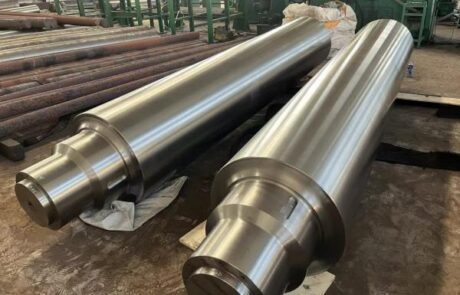
AISI 4130+QT 75K For Wellhead Device & Christmas Tree Equipment
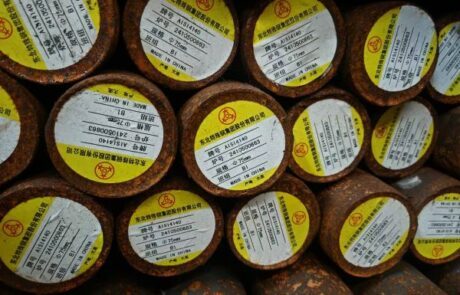
3000+ tons Inventory For 4140 Hot Rolled Round Steel Bar
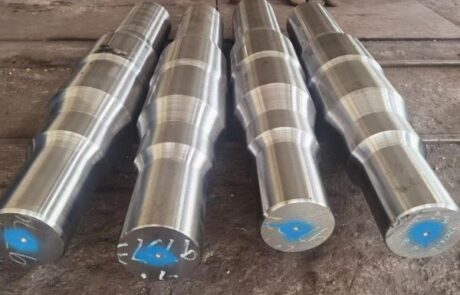
SAE 4130 Steel Bar | AISI 4130 Alloy Steel-ASTM A29
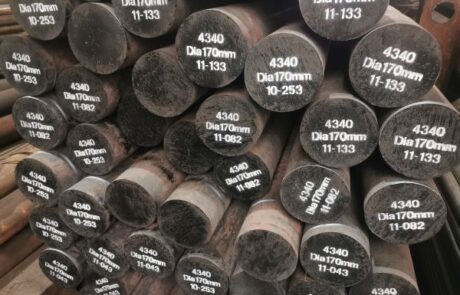
SAE 4340 Steel Bar | AISI 4340 Alloy Steel-ASTM A29
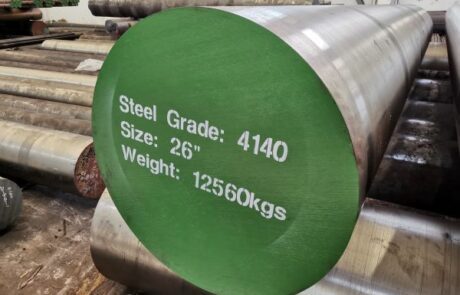
SAE 4140 Steel Bar | AISI 4140 Alloy Steel-ASTM A29
1000+tons Full Size Stock For 4340 Steel Bright Bars
One-Stop Solution For 4140 Steel Bright Bar
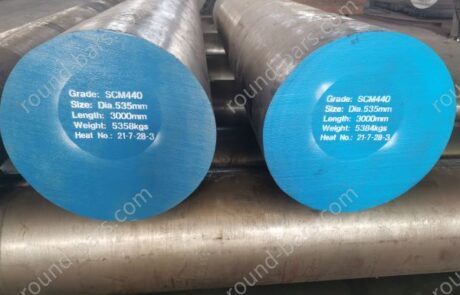
SCM440 | SCM430 Alloy Steel-JIS G4105

EN 42CrMo4 Steel |42CrMoS4| DIN1.7225