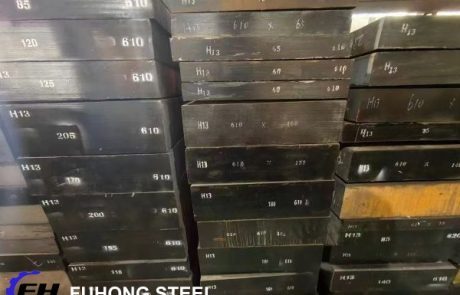
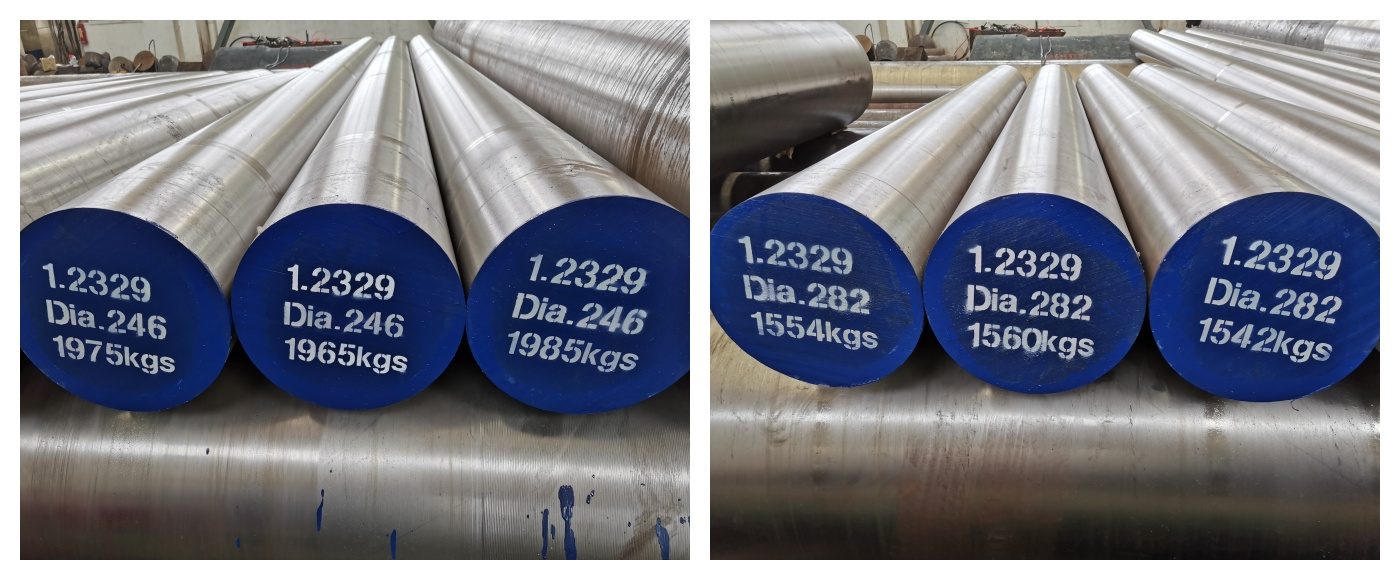
1.2329 steel (German grade, also known as 46CrSiMoV7) is a high-performance chromium-nickel-molybdenum-vanadium alloy hot work tool steel.
1.2329 steel exhibits a good balance of strength and toughness at high temperatures, while maintaining excellent resistance to thermal fatigue. Based on these properties, its main industrial applications are concentrated in the field of high-temperature, high-stress metal forming and processing.
Why Choose 1.2329 Steel?
Compared to other steels, what are the advantages of 1.2329 steel as a hot work steel? What are its disadvantages?
Firstly, the core advantages of 1.2329 steel are its excellent high-temperature toughness and resistance to thermal fatigue.The rich multi-element alloy composition enables 1.2329 steel to resist thermal shock under alternating hot and cold conditions, making it less prone to cracking and thermal fatigue cracking. Even at 400℃, 1.2329 steel maintains high impact toughness, preventing high-temperature brittle fracture.
Surprisingly, while 1.2329 boasts excellent toughness, it is not “soft.” 1.2329 maintains good strength and compressive strength at high temperatures, ensuring that the mold’s working surface will not undergo plastic deformation or collapse under high-pressure stress, making it ideal for applications requiring high dimensional accuracy.
However, it’s important to note that 1.2329 steel has relatively low wear resistance, making it unsuitable for applications involving frequent friction.
Furthermore, compared to H13 hot-work steel, 1.2329 steel has significantly lower red hardness. Its hardness decreases drastically once the temperature reaches 500℃.
1.2329 Steel Versatile Applications in Modern Industry
Application One:Die Casting Molds
1.2329 steel is used to manufacture die casting molds for non-ferrous metals such as aluminum alloys, magnesium alloys, and zinc alloys.
1.2329 steel possesses excellent resistance to thermal fatigue and hot cracking, maintaining dimensional stability while withstanding repeated impacts from high-temperature molten metal during die casting.
1.2329 steel is an ideal choice for copper and aluminum extrusion molds, particularly excelling in manufacturing dies, extrusion blocks, and extrusion sleeves that withstand low pressure.
The high-temperature strength, wear resistance, and toughness of 1.2329 steel ensure the stability of the extrusion process and product precision, making it suitable for continuous operation.
Application Three:Hot Forging Molds
1.2329 steel is primarily used in the manufacture of various hot forging molds for the plastic forming of metals at high temperatures.
The high toughness and resistance to thermal fatigue of 1.2329 steel effectively withstands the severe impacts and thermal cycles during forging, reducing mold cracking.
Application Four:Plastic Molds
Compared to conventional plastic mold steels (such as P20 steel), 1.2329 steel can be used to manufacture special plastic molds subjected to high temperature, high pressure, high friction, and frequent thermal cycling.
However, for molds requiring polishing and corrosion resistance, its performance is not as good as that of plastic mold steel.
Application Five: Stamping Molds
Compared with cold work steels that are wear-resistant at room temperature (such as D2 steel), 1.2329 steel has the advantages of high impact toughness, resistance to high temperature softening and thermal fatigue, making it suitable for heavy-duty hot stamping molds.
How to Choose:1.2329 Steel vs Other Materials
- vs H13 /1.2344: If the mold operating temperature is >500℃, choose H13; if the temperature is <400℃ and the impact load is extremely high, choose 1.2329.
- vs D2/1.2379:if the workpiece frequently chips or cracks, choose 1.2329; if the workpiece failure is mainly due to wear, choose D2.
Due to its comprehensive performance, 1.2329 steel has become an ideal choice for high temperature and high stress environments, especially in automotive die casting, aluminum extrusion and precision plastic molds. Correct application can greatly improve production efficiency and reduce the frequency of mold replacement.
Related Hot Work Tool Steel By FUHONG
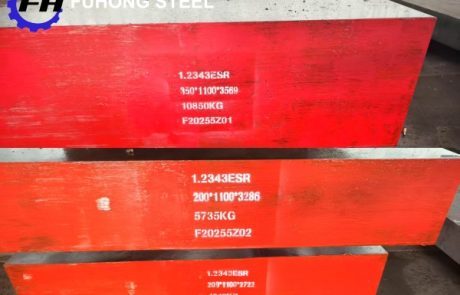
DIN 1.2343 Steel | H11 Hot Work Tool Steel

DIN1.2355 | S7 Shock-Resisting Tool Steel

DIN 1.2367 Tool Steel | X38CrMoV5-3

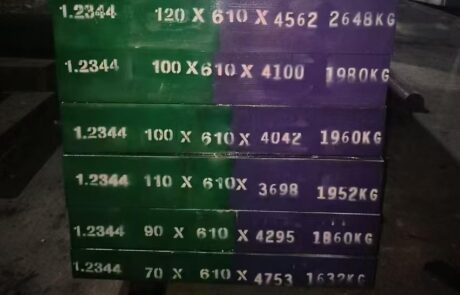
1.2344 Tool Steel | X40CrMoV5-1-DIN 17350
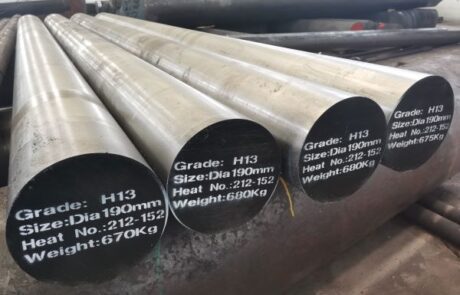
H13 Hot Work Steel | H13 ESR Quality Assurance

DIN 1.2329 Hot Work Tool Steel | 46CrSiMoV7

1.2714 Tool Steel | 56NiCrMoV7-DIN 17350
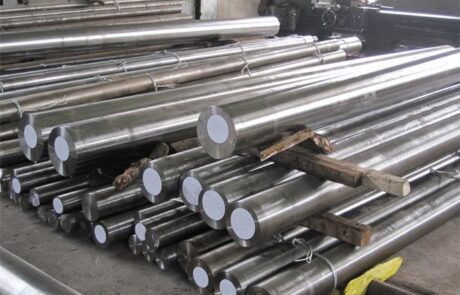
AISI H11 Tool Steel | DIN1.2343 | SKD6