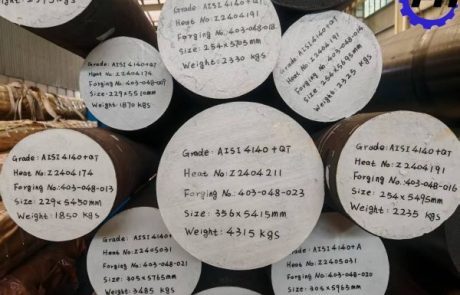
AISI 4140 low-alloy chromium-molybdenum steel is widely used in the oil and gas industry due to its excellent comprehensive mechanical properties.
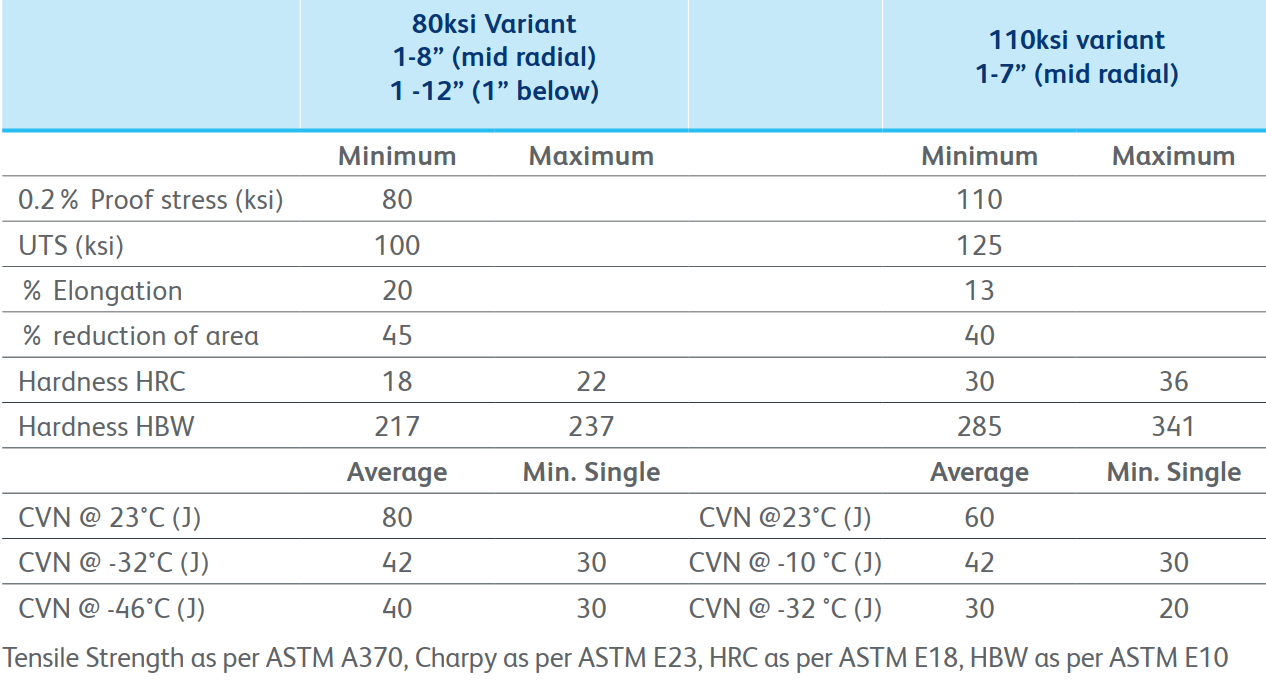
Through quenching and tempering processes, 4140 steel can be divided into multiple strength levels. In the oil industry, 80KSI corresponds to API 5CT L80 steel grade, and 110KSI corresponds to P110 steel grade.So what exactly is the difference between these two? This article will compare the differences between these two levels in detail.
4140 Steel Heat Treatment & Mechanical Property:80 KSI vs 110 KSI
Typical Heat Treatment Process:
| Quenching | Tempering | |
| L80-80KSI | 850°C/Oil | 650–680°C/Air |
| P110-110KSI | 850°C/Oil | 550–600°C/Air |
The core difference in tempering temperature directly leads to a significant change in the strength-toughness balance.
| Tensile Strength | Yield Strength | Elongation | Reduction | Impact | Hardness | |
| 80KSI | 690–750 MPa | ≥ 550 MPa | ≥20% | ≥55% | ≥80J | 18–22HRC |
| 110KSI | 850–1000 MPa | ≥ 758 MPa | ≥15% | ≥50% | ≥50J | 30–36HRC |
What are the differences in the microstructure between 4140 80KSI and 110KSI?
For 4140 80 KSI, the microstructure formed after tempering is tempered sorbite, with carbides evenly distributed in a spherical shape within the ferrite matrix, which facilitates dislocation movement. Therefore, 4140 80 KSI exhibits excellent plasticity and toughness.
In contrast, for 4140 110 KSI, the microstructure formed after tempering is tempered troostite, with carbides dispersed in a fine lamellar shape within the martensite matrix, hindering dislocation movement. Therefore, 4140 110 KSI shows significantly increased strength but decreased toughness.
How to Choose 4140 80KSI and 4140 110KSI?
If the application requires withstanding severe impact loads and demands high plasticity and toughness of the material, then the 80KSI grade is a more suitable choice. It better absorbs impact energy and prevents brittle fracture.
If the components primarily bear high stress and require excellent fatigue resistance and wear resistance, then the 110K grade is the preferred choice. It offers higher strength and hardness, making it suitable for long-term service under extreme conditions.
Properly matching the strength grade, heat treatment process, and subsequent surface treatment is key to ensuring the long-term safe and reliable operation of 4140 steel under harsh service conditions.
Related 4140 Steel Product By FUHONG
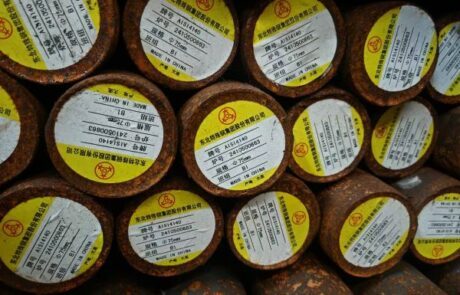
3000+ tons Inventory For 4140 Hot Rolled Round Steel Bar
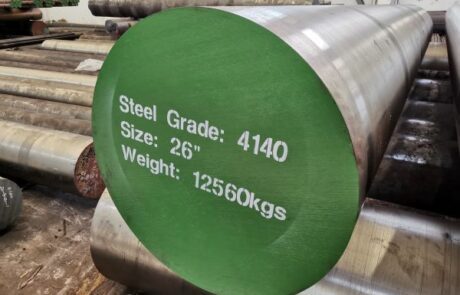
SAE 4140 Steel Bar | AISI 4140 Alloy Steel-ASTM A29
One-Stop Solution For 4140 Steel Bright Bar