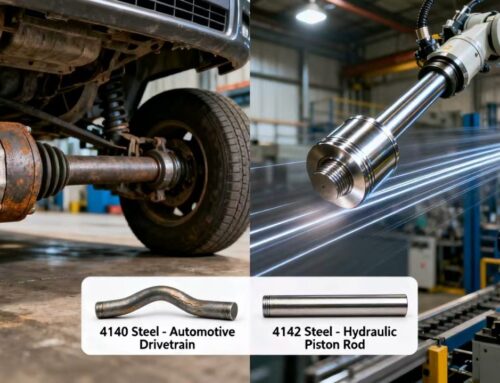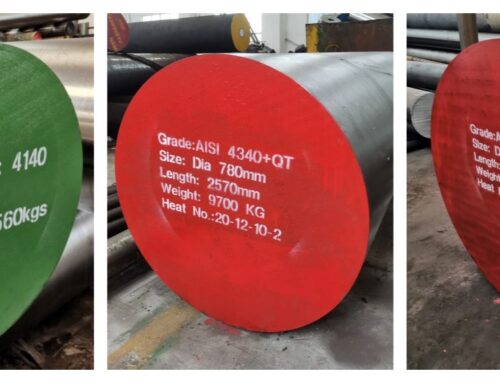

When selecting steel for low-temperature, high-stress applications, 4140 steel and 4340 steel are two essential materials in an engineer’s material library. Everyone wants to understand their differences in low-temperature toughness, and the secret lies in the alloying elements, especially the difference in nickel content.
The Key Secret: Nickel is the Answer!
- 4140 steel: As a medium-carbon chromium-molybdenum steel, its standard composition contains no nickel, or the nickel content is extremely low (usually present as a residual element, <0.25%).
- 4340 steel: As a medium-carbon nickel-chromium-molybdenum steel, nickel is its core element, with a content ranging from 1.65% to 2.00%.
Don’t underestimate this 1.8% difference in nickel content; it’s the key factor in the difference in low-temperature performance between the two. The presence of Ni acts like a reliable insurance policy, effectively preventing brittle fracture.
How Does Nickel Improve Low-temperature Toughness?
As any engineer working with low-temperature steel knows that brittle fracture is the greatest risk at low temperatures, and nickel effectively addresses this issue.Nickel can significantly lower the ductile-brittle transition temperature of steel.The lower the ductile-brittle transition temperature, the lower the probability that steel will transition from ductile to brittle.
Furthermore, nickel strengthens the ferrite matrix through solid solution, increasing strength without sacrificing toughness—a natural property that few alloying elements can replicate.
During heat treatment, nickel plays a crucial role in refining the grain size, resulting in a more uniform lath martensite structure in the steel after quenching. This fine-grained structure exhibits significantly higher toughness than the mottled bainite and pearlite structures.
In addition, nickel can significantly improve hardenability, which is crucial for large-sized workpieces. Even thick-section parts can be hardened into uniform martensite, and the toughness after tempering will remain stable without fluctuating.
How Do They Actually Perform at Low Temperatures?
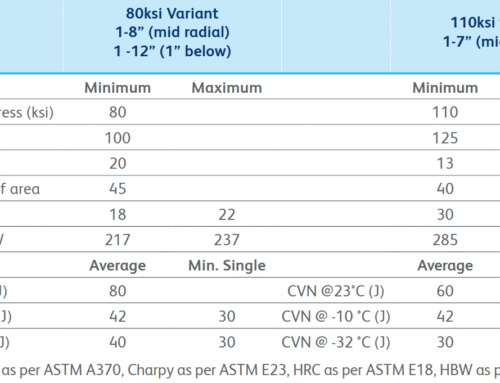
- 4140 steel: At -40°C and below, its impact toughness drops sharply to just 20–30 J, with a relatively high ductile-brittle transition temperature. For applications requiring excellent low-temperature toughness, it is generally not the first choice.
- 4340 steel: its excellent performance is largely thanks to the presence of nickel,even in the -40°C to -70°C,it maintains a high impact energy of 50–60J.For this reason, it’s the preferred choice for aircraft landing gear that must endure impacts in frigid regions, critical fasteners in polar oil drilling operations, and pressure-bearing parts in cryogenic containers.
How Does Heat Treatment Affect Their Toughness?
Both 4140 and 4340 steel require quenching and tempering to reach their full performance potential.
Ultimately, toughness can be improved by adjusting the tempering temperature. When both steels reach the same strength level, 4340 steel consistently exhibits superior low-temperature toughness compared to 4140 steel due to its inherent nickel content advantage.
To achieve high toughness, 4340 steel typically requires tempering at higher temperatures, raising concerns that increasing toughness means reducing strength.This slight sacrifice in strength is entirely worthwhile, resulting in a significant increase in toughness sufficient to withstand harsh low-temperature environments.
The Most Important Principle: Safety First!
For critical low-temperature applications, choosing 4340 over 4140 is not over-engineering but a necessity.it’s a practical acknowledgment of material behavior and a direct investment in reducing the severe risk of brittle fracture.The additional cost of nickel is negligible compared to the economic and safety losses caused by field failures.
Related 4140 & 4340 Products Supplied By FUHONG
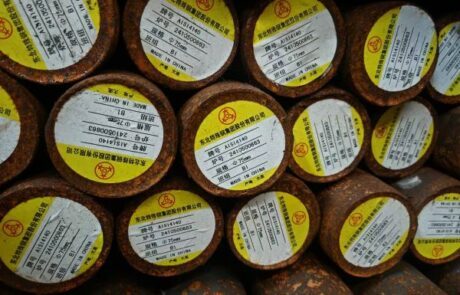
3000+ tons Inventory For 4140 Hot Rolled Round Steel Bar
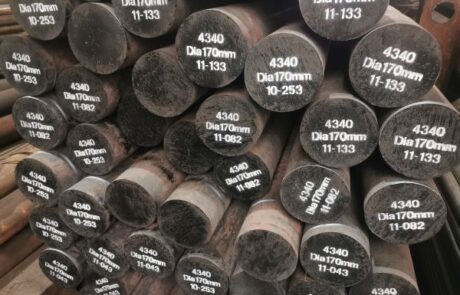
SAE 4340 Steel Bar | AISI 4340 Alloy Steel-ASTM A29
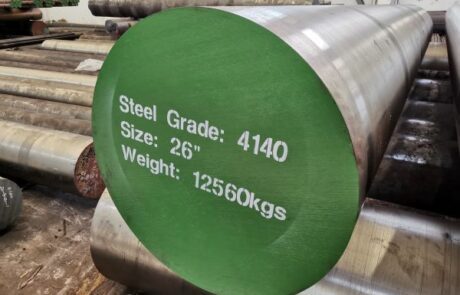
SAE 4140 Steel Bar | AISI 4140 Alloy Steel-ASTM A29
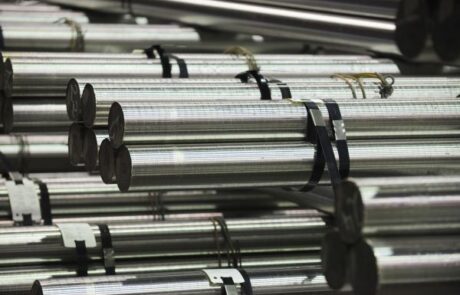
1000+tons Full Size Stock For 4340 Steel Bright Bars
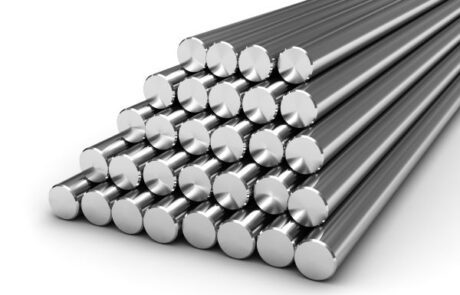
One-Stop Solution For 4140 Steel Bright Bar

AISI 4340 Steel Bar | ASTM 4340 Alloy Steel