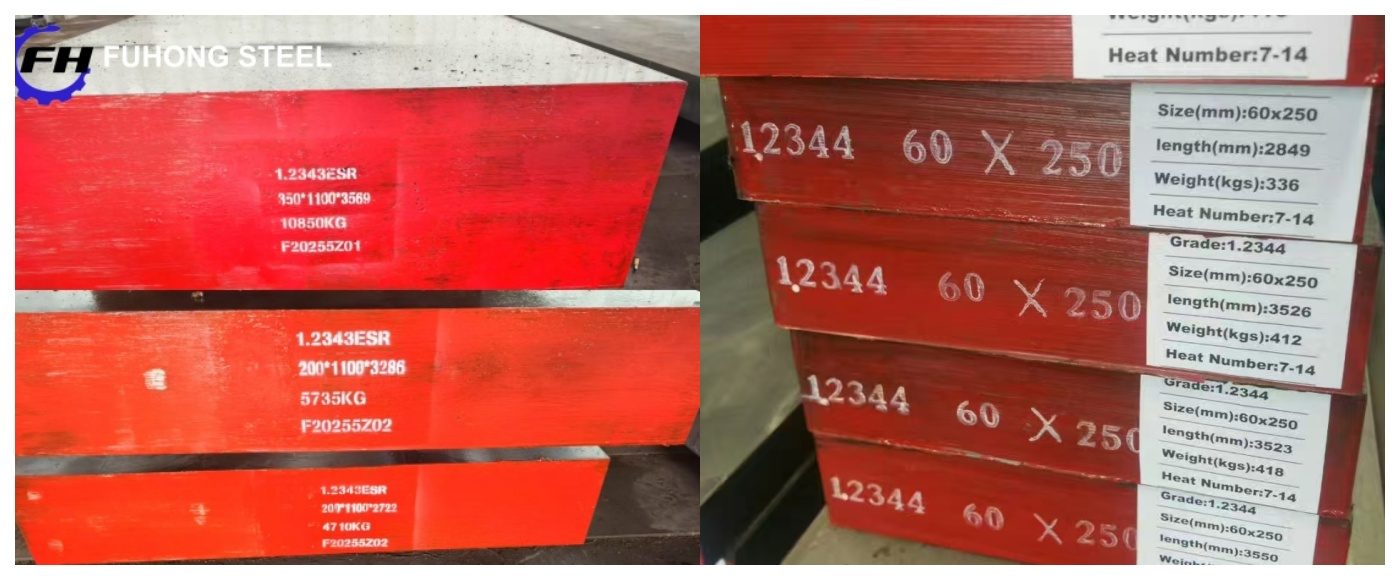
When talking about hot work die steel, 1.2343 and 1.2344 are two big names. Both are German standard chrome-molybdenum-vanadium alloy steels, known for their strength and toughness at high temperatures.
Although both can withstand harsh processing environments such as high temperature and high pressure, they are not entirely the same. Even slight differences in composition can significantly affect their service life and performance. Today, we will discuss these two types of steel from a practical application perspective, analyzing their differences and how to choose the right steel.
Chemical Composition: Vanadium & Molybdenum, The Perfect Partner
| Grade | C | Si | Mn | Cr | Mo | V |
| 1.2343 | 0.36–0.42 | 0.9-1.2 | 0.3-0.5 | 4.8-5.5 | 1.1–1.4 | 0.25-0.5 |
| 1.2344 | 0.37–0.42 | 0.9-1.2 | 0.3-0.5 | 4.8-5.5 | 1.2–1.5 | 0.9–1.1 |
As shown in the table above, the carbon, silicon, manganese, and chromium contents of these two types of steel are basically the same.
Key difference elements: vanadium & molybdenum
- Molybdenum:The molybdenum content of 1.2344 steel is only slightly higher than that of 1.2343 steel, but this addition is not without benefit. Molybdenum can form stable carbides, making it harder at high temperatures and resistant to softening and cracking.
- Vanadium:The vanadium content of 1.2344 is 2-3 times that of 1.2343. The higher vanadium content results in more and more stable vanadium carbides, significantly improving high-temperature wear resistance and resistance to tempering softening. From another perspective, the 1.2343 steel with a lower vanadium content actually allows for more margin in improving toughness.
Performance: Toughness vs. Wear Resistance
Differences in chemical composition directly affect their performance in practical applications. Let’s discuss some key characteristics in four rounds.
- Round 1:Hardness and Strength
1.2344 win the first round!The hardness of 1.2344 can reach 44~52 HRC, which is slightly higher than that of 1.2343 (40~50 HRC). At high temperatures of 500-600℃, the strength advantage of 1.2344 is even more significant, and it is less prone to softening and deformation.
- Round 2:Toughness and Crack Resistance
1.2343 is much better than 1.2344 in this round.Compared to 1.2344, 1.2343 steel has a lower vanadium content, fewer carbides, and a more uniform microstructure, resulting in better impact and crack resistance. Therefore, it can withstand repeated heating and cooling without cracking.
- Round 3:Heat Transfer and Thermal Deformation
The thermal conductivity of 1.2343 steel is 28-30 W/m·K, slightly higher than that of 1.2344 steel (27-29 W/m·K). Their heat transfer capabilities are essentially equivalent.
The coefficient of thermal expansion of 1.2344 is 12.8 × 10⁻⁶/°C, lower than that of 1.2343 (13.2 × 10⁻⁶/°C). This means that 1.2344 exhibits relatively smaller thermal deformation, making it a preferred choice for precision molds.
- Round 4:Wear Resistance
1.2344 has a higher vanadium content and more carbides, resulting in even greater wear resistance. Molds made from 1.2344 steel have a 5%~10% longer lifespan than those made from 1.2343. This difference is even more significant under high-wear conditions.
Your Choice: Save Money Now or Last Longer?
Under the same processing conditions, 1.2344 is more expensive than 1.2343 because it has a higher vanadium content. However, price is not the only factor to consider. You need to consider your own production needs:
- If you’re doing short-term, small-batch orders or the mold isn’t under much stress, 1.2343 is good enough. It meets the needs and saves you money.
- If you are producing in large batches for long periods, or using high-stress hot extrusion molds, 1.2344 makes more sense.Even if the initial material cost is higher,the benefits are a longer mold lifespan and a lower failure rate, making it more cost-effective in the long run.
Choosing the Right Steel: Match the Steel to the Needs
Basically, choosing between 1.2343 and 1.2344 is about balancing toughness and wear resistance:
| Priority of Needs | Recommended Choice | Reasons |
| High toughness, resistant to thermal cracking | 1.2343 | It exhibits superior toughness and thermal fatigue resistance, making it suitable for large molds and applications subject to frequent temperature fluctuations. |
| High wear resistance and long service life | 1.2344 | With more vanadium carbides, it exhibits better wear resistance and high-temperature strength, making it suitable for high-load and high-wear applications. |
| Cost-sensitive, general operating conditions | 1.2343 | Lower price, performance meets general hot work die requirements |
| High output, long-term use | 1.2344 | Longer lifespan, lower overall cost |
| Injection mold for exterior parts | 1.2343 | Excellent polishing performance and better surface quality |
| High-load hot extrusion die | 1.2344 | Its high-temperature strength and wear resistance make it more suitable for harsh working conditions. |
There’s no single best steel. It all depends on what your molds need to handle and how long they need to last. Knowing your needs will help you choose the right material.
RELATED PRODUCTS BY FUHONG STEEL
DIN 1.2343 Steel | H11 Hot Work Tool Steel
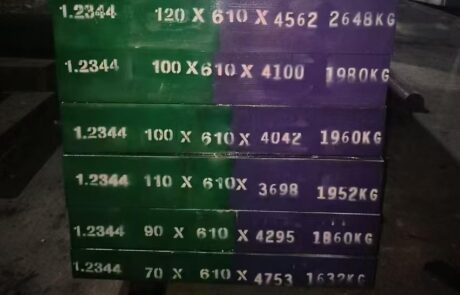
1.2344 Tool Steel | X40CrMoV5-1-DIN 17350
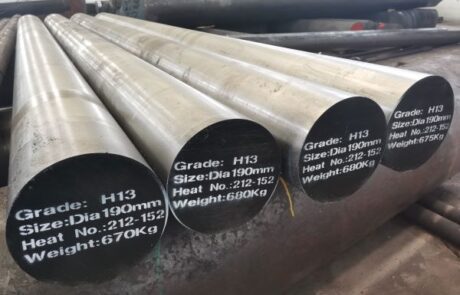
H13 Hot Work Steel | H13 ESR Quality Assurance
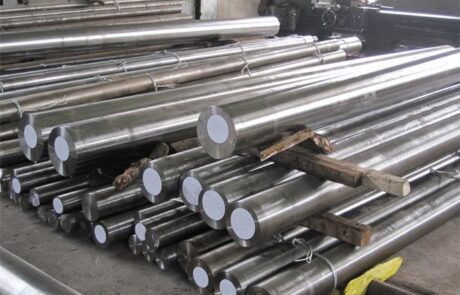
AISI H11 Tool Steel | DIN1.2343 | SKD6