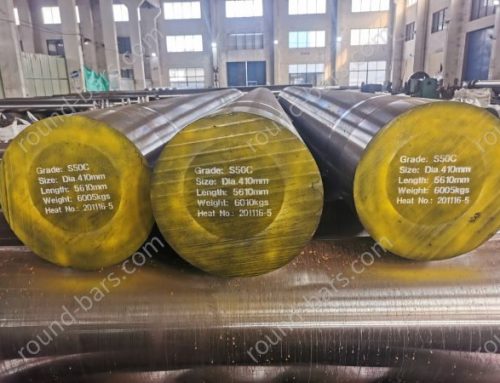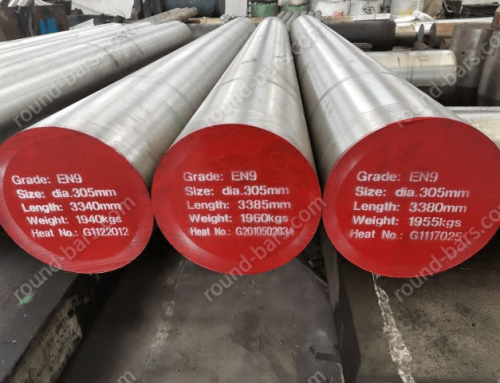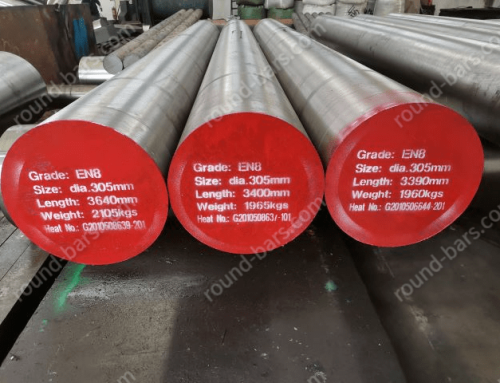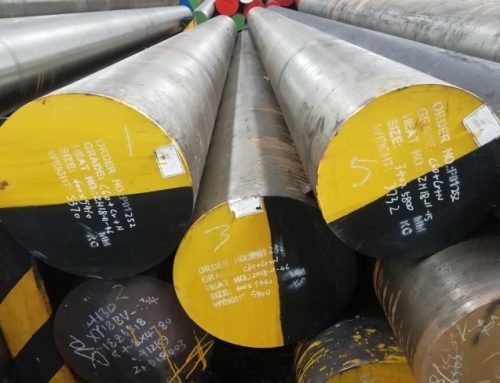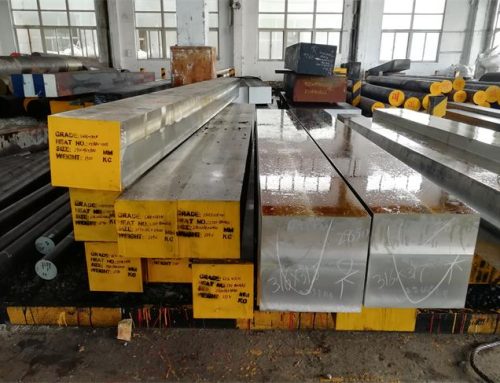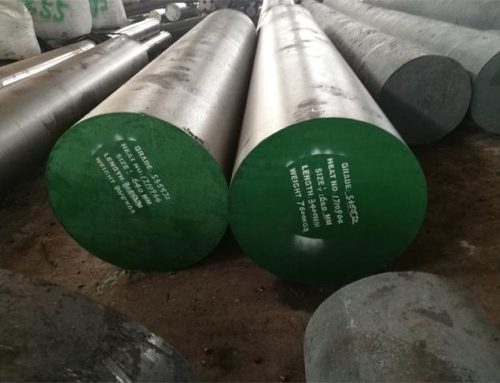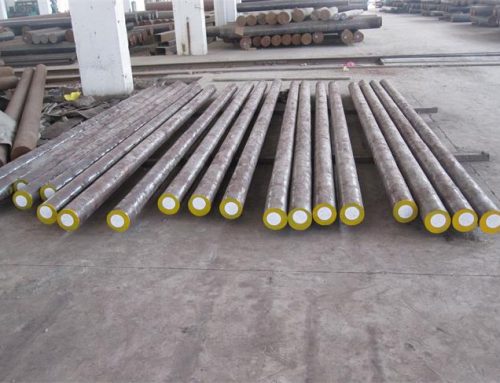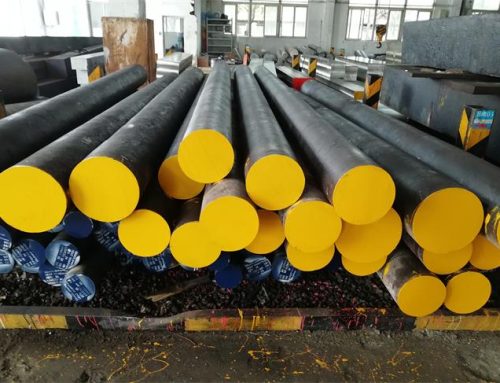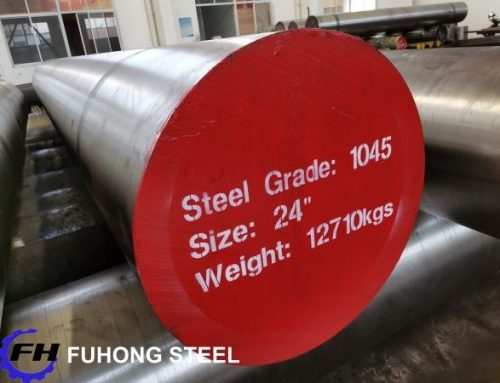
Are you looking for high-quality SAE 1020 steel suppliers? FUHONG has long been specialized in providing high-grade SAE 1020 steel. With extensive industry experience and technical expertise, we have become a trusted choice for many enterprises. We are committed to offering material solutions tailored to your production needs, helping enhance overall efficiency. Feel free to contact us at any time—FUHONG is here to provide you with professional support.
SAE 1020 Basic Information Introduction
SAE 1020 steel is a high-quality low-carbon carbon structural steel in the American SAE/AISI standard system.
As a representative of low-carbon steel, SAE 1020 steel is renowned for its good toughness, excellent cold and hot working properties, and weldability.
SAE 1020 steel can have its surface hardness and wear resistance effectively improved through carburizing and quenching heat treatment processes, while maintaining good core toughness. It is widely used in industries such as automotive manufacturing and machinery equipment, primarily for manufacturing parts with low stress but high toughness requirements.
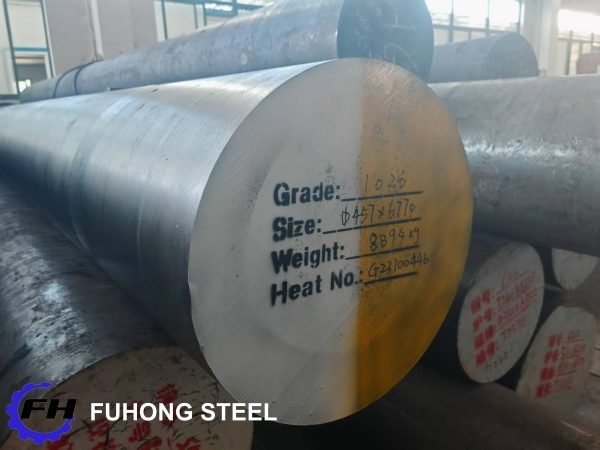
SAE 1020 STEEL CHEMICAL COMPOSITION
| Grade | C | Si | Mn | P | S |
| 1020 | 0.18-0.23 | 0.15-0.35 | 0.30-0.60 | ≤0.04 | ≤0.05 |
| 20# | 0.17-0.23 | 0.17-0.37 | 0.35-0.65 | ≤0.035 | ≤0.035 |
SAE 1020 STEEL PHYSICAL PROPERTY
- Density: 7.85-7.87 g/cm³
- Melting point: 1420-1460°C
- Elastic modulus: 190-210 GPa
- Poisson’s ratio: 0.27-0.30
- Thermal conductivity (25℃): 46.6-51.9 W/(m·K)
- Specific heat capacity (20℃): approx.460 J/(kg・K)
- Linear expansion coefficient (20~100℃): 11.7-12.5×10⁻⁶/℃
- Resistivity: 0.11-0.13 Ω·mm²/m
SAE 1020 STEEL FORGING
As a low-carbon, high-quality carbon structural steel, SAE 1020 steel exhibits excellent plasticity and thermal conductivity.
It also possesses excellent forging properties, showing no significant tendency towards cold brittleness or hardening, making it suitable for various forging methods such as free forging and die forging.
| Preheating | Initial forging temperature | Final forging temperature | Forging ratio |
| 600-650°C | 1150-1200°C | 850-900℃ | ≥4:1 |
For 1020 steel, the post-forging cooling method is very simple:air cooling in still air.Furthermore, rapid cooling is still prohibited.
SAE 1020 STEEL HEAT TREATMENT
1020 steel, with an average carbon content of 0.2%, has a significantly different heat treatment method compared to 1045 steel: 1020 steel cannot achieve high strength and hardness through direct quenching; therefore, it requires carburizing and quenching to achieve final strengthening.
Furthermore, before final heat treatment, 1020 steel can undergo normalizing and annealing processes to relieve stress, improve machinability, and optimize its microstructure.
- SAE 1020 Steel Normalizing
Normalizing is the most common and economical heat treatment process for 1020 steel.
| Temperature | Cooling method | Process time | Microstructure | Grain size | Hardness |
| 880-920°C | Air cooling | 2-3 days | Fine pearlite+ferrite | 6-8 | 120-160 HBW |
- SAE 1020 Steel Annealing
Annealing is a long process for 1020 steel, so it is not as commonly used as normalizing.
| Full annealing | Soften Annealing | Stress-relief Annealing |
| 860-880°C | 700-720°C | 600-650°C |
- SAE 1020 Steel Case Hardening
Carburizing + quenching + low-temperature tempering.This is the core heat treatment process for 1020 steel,aiming to achieve high surface hardness and wear resistance, and high core toughness and impact resistance.
| Carburizing | Quenching | Tempering | Surface hardness |
| 900-930°C | 800-830°C | 150-200°C | 58-64 HRC |
SAE 1020 STEEL SUPPLY FORM & SIZE & TOLERANCE
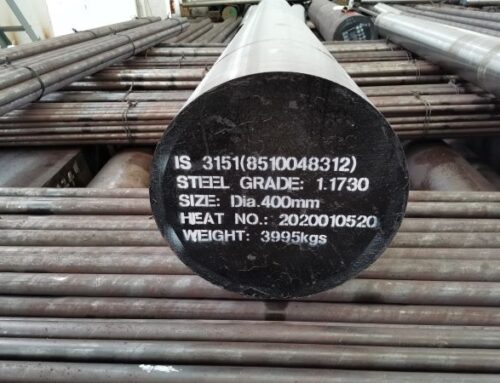
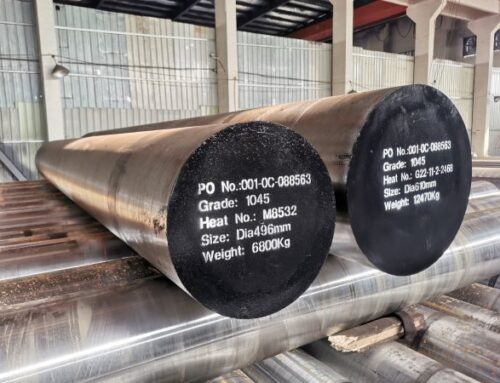
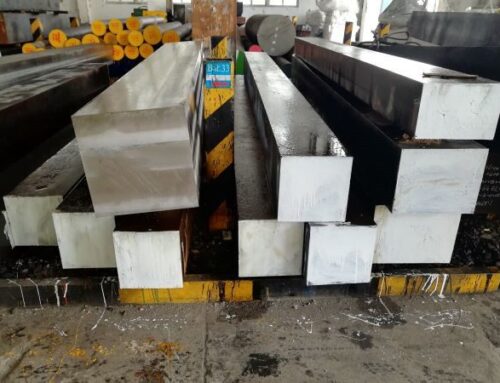
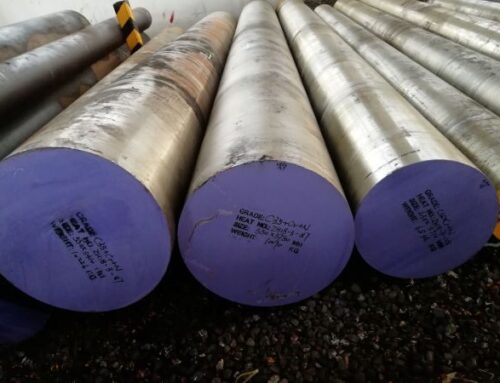
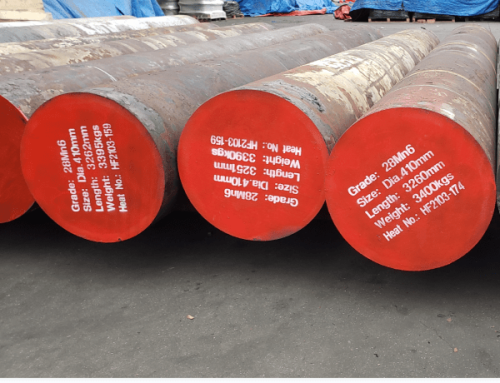
Hot Forged Round bar:Φ80-Φ1500mm
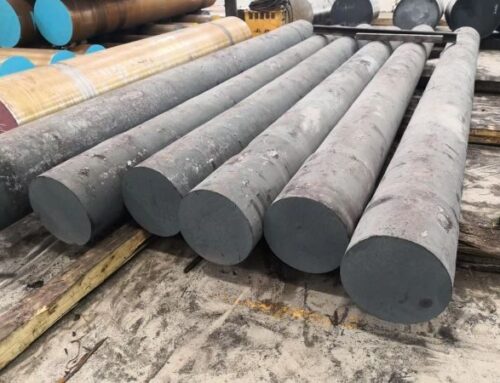
Hot Rolled Round bar:Φ14-Φ350mm
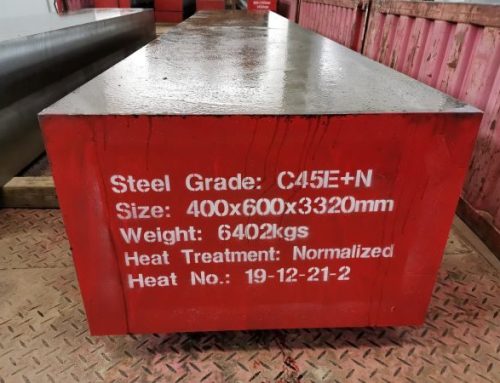
Hot Forged Square bar: Max Thickness:500mm
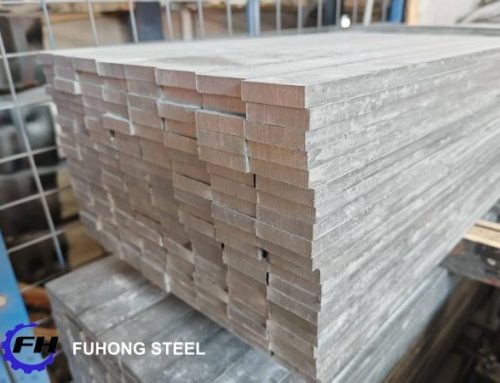
Flat bar/Blcoks:Thickness :120-800mm ,Width:120-1500mm
| Surface Finish | Black-Forged | Black-Rolled | Rough Turned | Cold Drawn | Peeled | Polished | Grinded |
| Tolerance | 0/+5mm | 0/+1mm | 0/+3mm | Best H11 | Best H9 | Best H9 | Best h8 |
Heat treatment:Normalizing (+N), Annealing (+A)